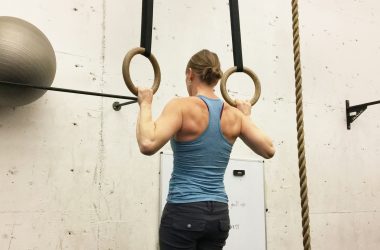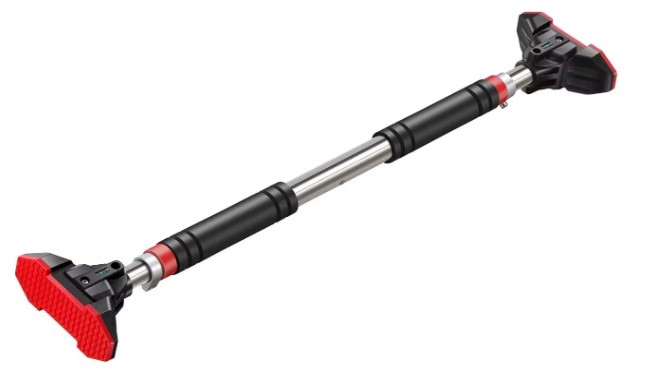
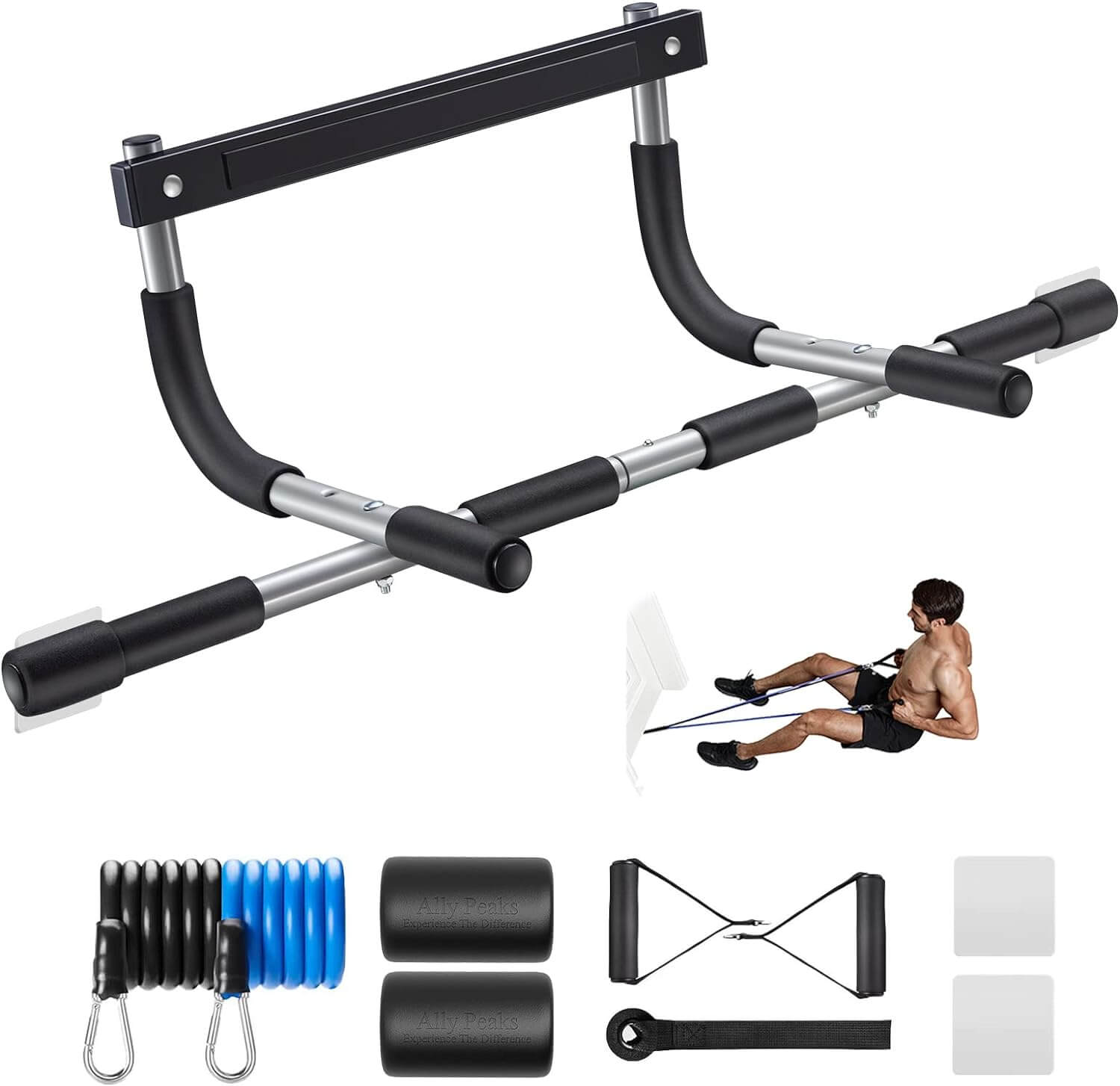


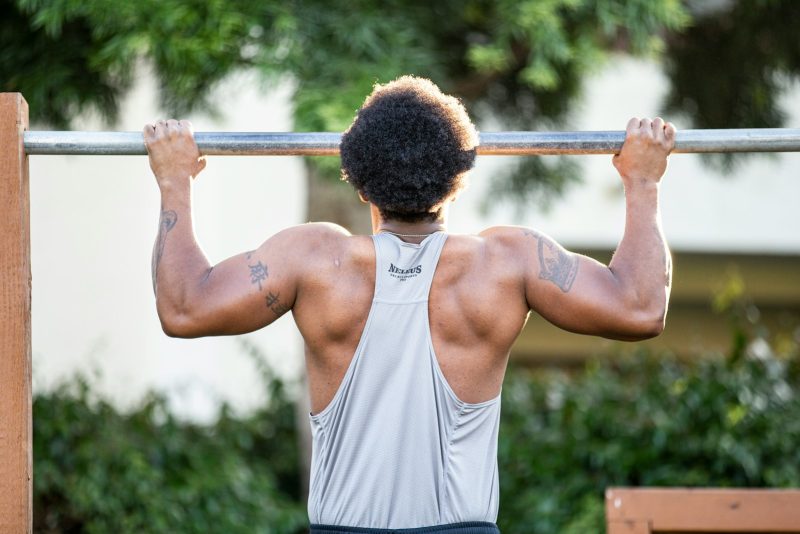
Yes, pull-ups are generally harder than push-ups. Pull-ups require you to lift your entire body weight using your upper body, focusing on the back, shoulders, and arms. In contrast, push-ups work your chest, shoulders, and triceps but with support from your legs and core, meaning you’re not lifting your entire body weight. Pull-ups demand significant grip strength and more overall upper body strength, making them a more challenging exercise for most people.
Muscle Groups Involved:
- Pull-Ups: Primarily target the latissimus dorsi (largest back muscle), biceps, and forearms. They require strong grip strength and engage the core for stabilization.
- Push-Ups: Focus on the pectoral muscles (chest), deltoids (shoulders), and triceps (back of the arms). They also engage the core, glutes, and legs to maintain proper form.
Muscle Groups Involved:
- Pull-Ups: Primarily target the latissimus dorsi (largest back muscle), biceps, and forearms. They require strong grip strength and engage the core for stabilization.
- Push-Ups: Focus on the pectoral muscles (chest), deltoids (shoulders), and triceps (back of the arms). They also engage the core, glutes, and legs to maintain proper form.
Accessibility and Progressions:
- Pull-Ups: Often considered more difficult for beginners. However, there are progression exercises like negative pull-ups, assisted pull-ups (using bands or machines), and jumping pull-ups that can help build the required strength.
- Push-Ups: More accessible with various modifications available to adjust difficulty, such as knee push-ups for beginners and elevated push-ups for increased challenge.
Versatility and Benefits:
- Both exercises are versatile and can be included in upper body strength routines. They offer functional benefits that translate into everyday activities and other sports. Pull-ups are especially beneficial for developing a strong, muscular back and are a staple in strength training and bodybuilding. Push-ups offer a wide range of variations to target different muscle groups and can improve muscular endurance and cardiovascular health.
Why Are Pullups So Hard For Me?
Pull-ups can be particularly challenging because they require significant upper body strength, specifically in the back, shoulders, and arms, as well as strong grip strength. Since you’re lifting your entire body weight, it demands more from these muscle groups compared to exercises where you’re not lifting your full weight. Additionally, if you have limited experience with strength training or have more body weight, pull-ups can be even more difficult.
Factors That Makes Pull-Ups Hard:
- Upper Body Strength: Pull-ups require a lot of strength in the muscles of the upper body, including the latissimus dorsi, biceps, and forearms. If these areas are not very strong, you’ll find pull-ups challenging.
- Grip Strength: A strong grip is essential for pull-ups, as your hands are the only point of contact supporting your body weight.
- Body Weight: The more you weigh, the more you have to lift. This can make pull-ups harder for those with higher body weights or less muscle mass.
- Technique: Proper form is crucial for effective pull-ups. Poor technique can make them feel harder and also increases the risk of injury.
- Experience: If you’re new to exercise or haven’t done much strength training, especially exercises targeting the back and arms, you’ll likely find pull-ups challenging at first.
How to Improve your pull-ups:
- Start with Assisted Pull-Ups: Use resistance bands or an assisted pull-up machine to help take some of your weight, making the exercise more manageable.
- Strengthen Key Muscle Groups: Incorporate exercises that build strength in your back, shoulders, arms, and core. Rows, lat pull-downs, and bicep curls are good options.
- Improve Grip Strength: Practice hanging from the bar to improve your grip. You can also use grip strengtheners or perform exercises like farmer’s walks.
- Practice Negative Pull-Ups: Jump up to the top position of the pull-up and slowly lower yourself down. This helps build strength in the muscles used during pull-ups.
- Be Consistent: Regular practice and gradually increasing the difficulty will help improve your pull-up ability over time.
Are Pull-Ups Harder For Taller Guys?
Yes, pull-ups can be harder for taller individuals. This is because taller people generally have a longer reach, meaning they have to pull their body through a greater distance. Additionally, they often have more body mass to lift, which can increase the difficulty of the exercise. The leverage dynamics of longer limbs can also make the pull-up movement more challenging.
Factors Making Pull-Ups Harder for Taller Individuals:
- Longer Limbs: Taller people have longer arms, which increases the range of motion required to complete a pull-up. This means their muscles must work harder over a longer distance.
- Increased Body Mass: Taller individuals tend to weigh more, adding to the amount of weight that needs to be lifted during the exercise.
- Leverage and Mechanics: The biomechanics of longer limbs can result in less favorable leverage, making the pull-up movement more challenging compared to those with shorter limbs.
Overcoming Challenges:
- Strength Training: Focusing on strengthening the upper body and core can help offset the difficulties presented by longer limbs and increased body mass.
- Technique Adjustments: Taller people might find certain grips (e.g., a wider grip) more comfortable and effective, as it can reduce the range of motion required.
- Progressive Training: Starting with assisted pull-ups or other variations and gradually increasing the difficulty can help taller individuals build up the necessary strength.
- Consistency: Regular practice and gradual progression in intensity and volume can improve pull-up performance over time.
Why Can I Do Pushups but Not Pullups?
The reason you can do push-ups but not pull-ups is largely due to the difference in muscle groups required and the amount of body weight lifted in each exercise. Push-ups primarily work the chest, shoulders, and triceps, and you’re lifting a smaller percentage of your body weight because your feet support some of it. Pull-ups, on the other hand, require significant strength in the upper back, shoulders, arms (especially the biceps), and grip, as you must lift your entire body weight. This makes pull-ups a more challenging exercise for many people, especially if those specific muscle groups are not as developed.
Muscle Groups and Strength:
- Push-Ups: Target the pectoral muscles, deltoids, and triceps. The exercise also engages the core and legs, distributing the effort across more muscle groups and requiring less upper body strength relative to your body weight.
- Pull-Ups: Focus on the latissimus dorsi, biceps, and forearms. These muscles must be strong enough to lift your entire body weight, a demand not present in push-ups.
Training and Experience:
- Specificity of Training: If your training has focused more on the muscle groups used in push-ups, you may find pull-ups more difficult due to less developed back and bicep muscles.
- Experience with Movements: Familiarity and regular practice with push-up movements can increase your proficiency, while lack of experience with pull-ups can make them seem harder.
Technique and Body Mechanics:
- Technique: Proper form in pull-ups is crucial and can be more difficult to master. Poor technique can make pull-ups seem impossible.
- Body Mechanics: Individuals with a heavier lower body may find pull-ups harder because they have more weight to lift compared to their upper body strength.
Improving Pull-Up Ability:
- Strengthen Key Muscle Groups: Incorporate exercises that build strength in the lats, biceps, and grip.
- Use Assisted Pull-Up Machines or Bands: These tools can help you practice the pull-up motion with less than your full body weight, gradually building up strength.
- Practice Negative Pull-Ups: Start at the top of the pull-up and lower yourself slowly to strengthen the necessary muscles.
- Be Consistent: Regularly including these exercises in your routine can improve your pull-up ability over time.
Are Pull-ups Easier For Skinny Guys?
Yes, pull-ups can be easier for skinny guys because they generally have less body weight to lift. The difficulty of pull-ups increases with the amount of body weight you have to pull up. Since skinny individuals typically have a lower body mass, they may find it less challenging to perform pull-ups compared to individuals with more body weight.
Why Are Pull-Ups Easier for Skinny Individuals?
- Lower Body Weight: Less mass to lift means the muscles involved in the pull-up (back, arms, shoulders) don’t have to work as hard.
- Body Composition: Skinny individuals may have a higher strength-to-weight ratio, making it easier to lift their body weight.
Factors Influencing Pull-Up Performance:
- Muscle Strength: Regardless of body type, the strength of the upper body, especially the back and arms, is crucial for performing pull-ups.
- Grip Strength: A strong grip is essential for successfully executing pull-ups, and this can be a limiting factor for individuals of any body size.
- Training and Technique: Proper technique and regular practice play significant roles in the ability to perform pull-ups, regardless of body size.
Tips for Improvement:
- Strength Training: Focusing on building muscle strength in the upper body can make pull-ups easier.
- Assisted Pull-Ups: Using bands or assisted pull-up machines can help individuals who are struggling to perform pull-ups, regardless of their body size.
- Consistent Practice: Regularly incorporating pull-ups into your workout routine can improve your ability to perform them.
Do Pull-ups Mean You Are Strong?
Yes, being able to perform pull-ups is often considered a sign of upper body strength. Pull-ups require significant strength in the back, shoulders, arms, and grip to lift and lower your body weight. Successfully executing pull-ups indicates that you have developed a good level of muscular strength and endurance in these areas.
Beyond Strength: What Pull-Ups Indicate
- Muscle Endurance: The ability to do multiple pull-ups also shows muscle endurance, as you’re able to sustain effort over time.
- Functional Fitness: Pull-ups are a functional exercise that mimic real-world movements, indicating your ability to perform tasks that require lifting your body weight.
- Core Stability: Performing pull-ups requires core engagement, demonstrating not only upper body strength but also core stability.
Other Benefits of Pull-Ups:
- Balanced Upper Body Development: Regularly performing pull-ups can lead to balanced muscle development, improving posture and reducing the risk of injuries.
- Versatility in Fitness: Pull-ups can be modified or intensified to meet different fitness levels and goals, making them a versatile part of any workout routine.
- Indicator of Progress: As you get stronger, you’ll likely find that you can do more pull-ups or more challenging variations, making them a good measure of fitness progress.
How Hard is 10 Pull-ups?
Achieving 10 pull-ups is considered a challenging but attainable goal for many people. It requires a good level of upper body strength, endurance, and grip strength. For beginners or those new to strength training, 10 pull-ups can be quite difficult and may take time and consistent effort to achieve. For individuals who have been training regularly and have built up their strength, particularly in the back, shoulders, and arms, reaching 10 consecutive pull-ups is a realistic and achievable milestone.
Building Up to 10 Pull-Ups:
- Progressive Overload: Gradually increasing the intensity of your workouts by adding more reps, using weights, or decreasing assistance can help build the strength needed for 10 pull-ups.
- Specific Training: Incorporating exercises that target the muscles involved in pull-ups, such as lat pulldowns, rows, and bicep curls, can improve your ability to perform them.
- Consistency is Key: Regular, dedicated practice of pull-ups or pull-up variations is crucial for making progress towards achieving 10 pull-ups.
Measuring Progress:
- Set Short-Term Goals: Start with achieving one pull-up, then gradually increase your goal as you get stronger.
- Track Your Workouts: Keeping a record of your pull-up numbers and the related strength training can help you stay motivated and see your progress over time.
Mindset and Recovery:
- Stay Patient and Positive: Progress can be slow and non-linear, but with persistence, achieving 10 pull-ups is within reach.
- Prioritize Recovery: Adequate rest, nutrition, and hydration are essential for muscle recovery and growth, helping you get stronger and perform better.
Is Doing Pull-ups Everyday Overtraining?
Doing pull-ups every day can lead to overtraining, especially if you are performing high volumes or not allowing sufficient recovery time for your muscles. Overtraining can result in decreased performance, increased risk of injury, and symptoms such as fatigue and muscle soreness. It’s important to balance workout intensity, frequency, and rest to ensure proper muscle recovery and growth.
Signs of Overtraining:
- Muscle Fatigue and Soreness: Persistent muscle soreness and a feeling of weakness rather than getting stronger.
- Decreased Performance: Struggling to maintain or improve your pull-up count could be a sign of overtraining.
- Injury Risk: Overuse injuries are more likely when muscles and joints are not given time to recover.
Balancing Training and Recovery:
- Rest Days: Incorporating rest or active recovery days into your routine can prevent overtraining and aid muscle repair.
- Vary Your Routine: Instead of doing pull-ups daily, mix in other exercises that target different muscle groups to allow for recovery.
- Listen to Your Body: Pay attention to signs of fatigue and adjust your training accordingly to prevent burnout.
Recovery Strategies:
- Adequate Nutrition: Consuming enough protein and calories can aid in muscle repair and growth.
- Sleep: Quality sleep is crucial for recovery, allowing your muscles to heal and grow stronger.
- Hydration: Staying hydrated helps with muscle recovery and overall performance.
We’ve journeyed through the world of pull-ups, uncovering the nuances that make them a challenging yet rewarding exercise. From exploring why pull-ups might feel harder than push-ups, to understanding the specific struggles faced by individuals based on their body type, experience, and strength levels, we’ve covered a broad spectrum of insights. We’ve also delved into how achieving milestones like 10 pull-ups is both a testament to one’s dedication and a marker of upper body strength. Furthermore, the discussion on the potential risks of doing pull-ups daily highlighted the importance of balanced training and recovery.
This exploration underscores the pull-up as not just an exercise, but a journey of strength, perseverance, and personal growth. Whether you’re a seasoned athlete or just starting out, the path to mastering pull-ups offers valuable lessons in fitness and beyond.
Now, over to you: What’s your personal experience with pull-ups? Have you found them to be a rewarding challenge, or are you still working towards mastering your first one? Share your journey and any tips you’ve discovered along the way!