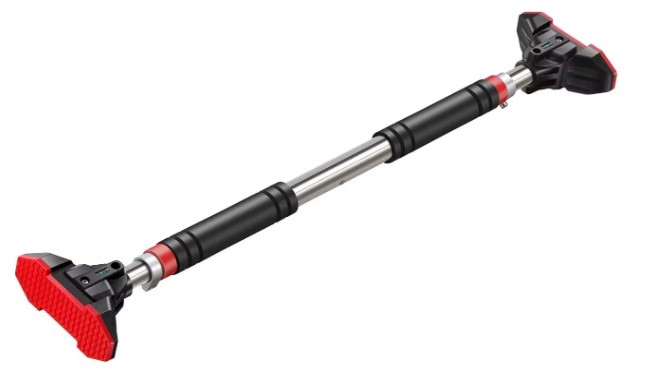
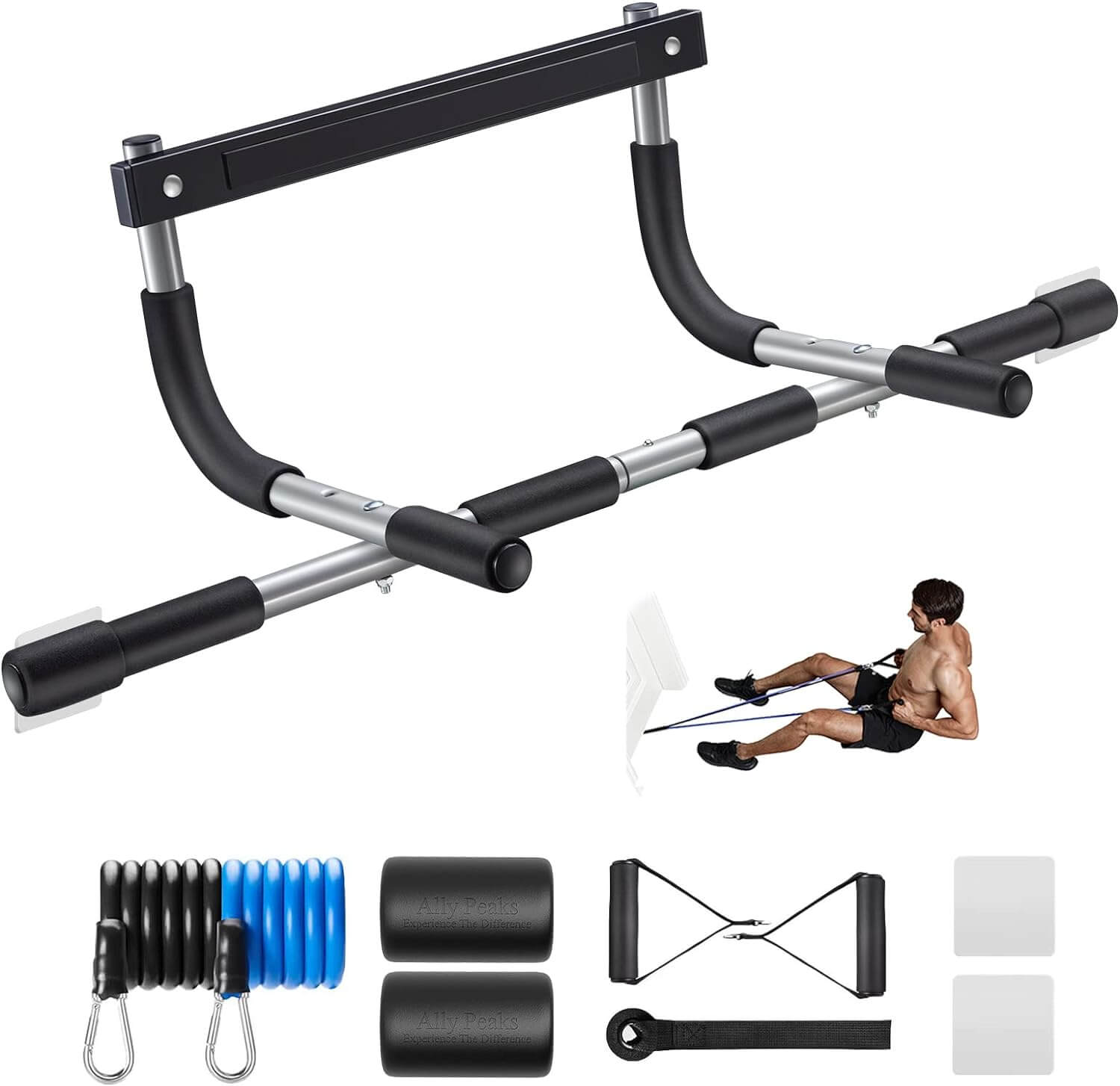



Pull-ups are considered one of the hardest bodyweight exercises for many people, but whether they are the hardest depends on individual strengths, weaknesses, and fitness levels. They require significant upper body strength, including the back, arms, and shoulders, as well as core stability and grip strength to lift your entire body weight. For those lacking in these areas, pull-ups can indeed be among the most challenging exercises.
Why Pull-Ups Can Be Challenging:
- Comprehensive Strength Requirement: Pull-ups require a combination of back, arm, shoulder, and grip strength that not all exercises demand.
- Body Weight as Resistance: Your entire body weight provides the resistance, making pull-ups more challenging than exercises that don’t require lifting your whole body.
- Progression Difficulty: Progressing from being unable to do a single pull-up to performing multiple can be a slow and challenging process, requiring consistent effort and training.
Comparing with Other Exercises:
- While pull-ups are challenging, other exercises might be equally or more difficult for some individuals, depending on their specific fitness challenges and goals. For example, exercises like muscle-ups, planches, or one-arm pull-ups might be considered harder due to the increased strength, technique, and balance they require.
Improving Your Pull-Ups:
- Start with Assisted Variations: Using bands or an assisted pull-up machine can help you build strength gradually.
- Incorporate Strength Training: Exercises that strengthen your back, arms, and core can improve your ability to perform pull-ups.
- Practice Consistently: Regular practice, including negative pull-ups and hanging exercises, can help improve your grip and overall pull-up performance.
How Rare is 20 Pull-ups?
Being able to do 20 pull-ups in a single set is a significant achievement and relatively rare among the general population. It indicates a high level of upper body strength, endurance, and muscle conditioning. Achieving this milestone requires consistent training, focus on proper form, and a dedication to overall physical fitness. For most people, reaching 20 consecutive pull-ups is a goal that comes after prolonged and targeted effort.
Why 20 Pull-Ups Is an Impressive Feat:
- Strength and Endurance: Completing 20 pull-ups not only shows strong back, arm, and shoulder muscles but also significant endurance in these muscle groups.
- Weight-to-Strength Ratio: Performing 20 pull-ups also suggests an advantageous body weight-to-strength ratio, meaning the individual has effectively optimized their muscle mass to body weight.
- Dedication to Training: Achieving such a number typically requires dedicated and specific training, including progressive overload and possibly incorporating varied pull-up forms to continually challenge the muscles.
Training Tips for Reaching 20 Pull-Ups:
- Incremental Progression: Start with smaller sets and gradually increase the number as strength and endurance improve.
- Diverse Training: Incorporate different types of pull-ups (e.g., wide grip, close grip, weighted) to engage various muscle groups and avoid plateaus.
- Rest and Recovery: Adequate rest between pull-up sessions is crucial for muscle recovery and growth, helping prevent overtraining and injury.
Benchmark for Fitness Enthusiasts:
- Among fitness enthusiasts and those in certain professions requiring physical fitness, such as military personnel or athletes, being able to do 20 pull-ups is often seen as a benchmark of upper body muscular strength and endurance.
Is 30 Pull-ups Rare?
Achieving 30 pull-ups in a single set is extremely rare and signifies an exceptional level of upper body strength, endurance, and muscular conditioning. This level of performance goes beyond what is typically seen even among fitness enthusiasts and athletes, placing it in a category of physical achievement that few attain. It requires not only rigorous and consistent training but also a strong focus on nutrition, recovery, and precise technique.
Characteristics of Achieving 30 Pull-Ups:
- Elite Strength and Conditioning: Completing 30 pull-ups demands advanced muscular strength and endurance, particularly in the back, shoulders, and arms.
- Optimal Body Composition: Individuals who can perform 30 pull-ups often have an optimal balance of muscle mass to body fat, contributing to their ability to lift and control their body weight efficiently.
- Dedicated Training Regimen: Achieving this number likely involves a well-structured training program that includes varied pull-up techniques, strength training for complementary muscle groups, and possibly even specialized grip training.
Training Considerations for Aspiring to 30 Pull-Ups:
- Progressive Overload: Gradually increasing the intensity of workouts by adding more repetitions, incorporating weighted pull-ups, or reducing rest periods between sets.
- Variety in Training: Including different grip positions (e.g., wide, neutral, chin-up) to engage different muscle fibers and promote balanced strength development.
- Recovery and Nutrition: Emphasizing proper nutrition to support muscle repair and growth, along with adequate rest and recovery strategies to prevent overtraining.
Benchmark of Physical Excellence:
- Reaching 30 pull-ups places an individual among the upper echelons of physical fitness, often comparable to elite athletes or specialized military personnel. It’s a testament not only to physical capability but also to mental discipline and dedication.
Is 30 Pullups A Day Good?
Doing 30 pull-ups a day can be beneficial as part of a balanced fitness routine, especially for maintaining or improving upper body strength and muscular endurance. However, it’s important to listen to your body and allow for adequate recovery to prevent overuse injuries. Consistency in performing pull-ups can lead to significant strength gains, but variation in your workout routine and proper rest are key to achieving sustainable progress and avoiding the pitfalls of overtraining.
Benefits of Regular Pull-Up Training:
- Strengthens Major Upper Body Muscles: Regular pull-ups target the back, shoulders, arms, and core, promoting muscle growth and strength.
- Improves Grip Strength: Daily pull-ups can enhance your grip strength, which is beneficial for other exercises and daily activities.
- Boosts Muscular Endurance: Consistently doing pull-ups increases your ability to perform over longer periods, enhancing endurance.
Considerations for Doing 30 Pull-Ups Daily:
- Recovery: Ensure your routine allows for sufficient muscle recovery. Overworking the same muscle groups without rest can lead to overtraining syndrome.
- Technique: Focus on maintaining proper form to maximize benefits and minimize the risk of injury.
- Progressive Overload: To continue making gains, you may need to increase the difficulty of the pull-ups over time, such as by adding weight or experimenting with different variations.
Balancing Your Routine:
- Incorporate Rest Days: Even if you’re focusing on pull-ups, incorporating rest or active recovery days is crucial to allow your muscles to repair and grow.
- Diversify Your Workouts: Balance pull-up training with exercises targeting other muscle groups and different types of training (e.g., cardiovascular, flexibility) to ensure overall fitness and prevent muscle imbalances.
While doing 30 pull-ups a day can demonstrate and enhance upper body strength, it’s vital to approach this goal with a focus on safety, technique, and overall fitness strategy to maximize benefits and minimize risks.
How Many Pushups Equal A Pull-up?
There isn’t a direct conversion rate between push-ups and pull-ups because they target different muscle groups and require different types of strength. Push-ups primarily work the chest, shoulders, and triceps, while pull-ups focus on the back, shoulders, and biceps. However, in terms of effort and muscle engagement, doing one pull-up is often considered more challenging than performing multiple push-ups. Some fitness enthusiasts might estimate that one pull-up could be roughly equivalent to three to ten push-ups, but this varies widely depending on an individual’s strength, fitness level, and proficiency in each exercise.
Why Direct Comparison is Challenging:
- Different Muscle Groups: Push-ups and pull-ups target different muscles, making a direct comparison difficult.
- Strength vs. Endurance: Pull-ups require lifting your entire body weight, a measure of strength, especially in the upper back and arms. Push-ups, while still challenging, test endurance and strength across the chest, shoulders, and triceps with a portion of your body weight.
Considerations for Training:
- Balanced Workout Regimen: Incorporating both push-ups and pull-ups into your routine can lead to a well-rounded upper body strength and muscular development.
- Progression and Variation: Both exercises offer variations to increase difficulty or focus on specific muscle groups, such as wide-grip pull-ups or decline push-ups.
Cross-Training Benefits:
- Complementary Strength Gains: Regularly performing both exercises can complement each other, with pull-ups increasing back and bicep strength, and push-ups enhancing chest and tricep strength.
- Overall Fitness: Including a variety of exercises like push-ups and pull-ups in your routine can improve general fitness, muscle balance, and physical performance.
Is 200 Pull-ups A Lot?
Yes, completing 200 pull-ups is considered a lot and demonstrates an exceptional level of upper body strength and endurance. This volume of pull-ups is far beyond what most individuals can achieve in a single workout session, indicating advanced fitness levels and significant dedication to training. Achieving this number would typically require a well-structured training program and possibly spreading the repetitions over several sets with rest periods in between.
Implications of Doing 200 Pull-Ups:
- High Physical Fitness: Completing 200 pull-ups requires not only muscle strength but also considerable muscular endurance, particularly in the back, shoulders, and arms.
- Advanced Training: Reaching such a high number likely involves progressive training, including gradually increasing the volume of pull-ups over time to build up endurance and strength.
- Recovery and Nutrition: Adequate recovery, including proper rest and nutrition, is crucial when undertaking such intense physical challenges to prevent overtraining and injury.
Training Considerations:
- Progressive Overload: Gradually increasing the intensity and volume of pull-ups is essential for building up to 200 pull-ups, ensuring continuous improvement without causing injury.
- Variety in Training: Incorporating different variations of pull-ups can help target the muscles from various angles and prevent plateaus in strength gains.
- Rest and Recovery: Allowing sufficient time for muscle recovery between intense training sessions is key to avoid overuse injuries and ensure muscle growth.
Setting Realistic Goals:
- For most people, achieving 200 pull-ups in a single session or even throughout the day is a lofty goal. Setting incremental, achievable targets can help maintain motivation and progress toward such ambitious objectives.
Performing 200 pull-ups is a remarkable feat, reflecting a high level of commitment to fitness and strength training. It’s important to approach such goals with caution, prioritizing proper form, balanced training, and recovery to promote health and prevent injuries.