

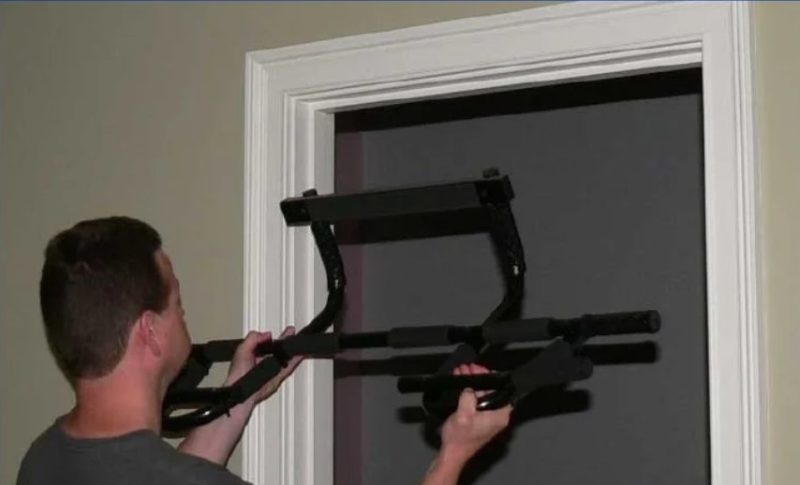
The clang of metal, the grip of your hands, and the exhilarating challenge of pulling yourself up; these experiences hinge on one crucial element—a properly installed pull-up bar. The journey to mastering the art of pull-ups begins long before your first ascent, laying in the groundwork of installation. While the task may seem straightforward, numerous pitfalls await the unwary installer. Understanding and avoiding these common errors can not only save you time and frustration but also safeguard your health and home. This article shines a light on those pitfalls and guides you through them, ensuring your home workout setup is as robust and reliable as your determination to use it.
Embarking on this journey, you’re not just installing a piece of equipment; you’re laying the foundation for countless challenges, achievements, and moments of pride. Let’s ensure it starts with the bar set high—securely and correctly.
Table of Contents
- Error 1: Choosing an Unsuitable Location
- Error 2: Neglecting Surrounding Area Safety
- Error 3: Not Using the Right Tools
- Error 4: Improper Tool Use
- Error 5: Overlooking the Weight Limit
- Error 6: Skipping the Instruction Manual
- Error 7: Inadequate Spacing and Height
- Error 8: Failing to Secure Fixings
- Error 9: Neglecting Wall Material
- Error 10: Over-tightening Screws
- Error 11: Lack of Regular Maintenance
- Conclusion: The Foundation of Safe and Effective Workouts
Error 1: Choosing an Unsuitable Location
Problem: Installing the pull-up bar in a place that doesn’t support its weight or doesn’t offer enough space can be a recipe for disaster. This not only risks damaging your property but also poses a significant injury risk to the user.
Solution: Follow these guidelines to select the perfect spot for your pull-up bar:
1. Assess the Door Frame Strength
- Insider Tip: Not all door frames are created equal. Use a stud finder to ensure the frame has the necessary support behind it. A hidden steel frame can offer additional support compared to wooden frames.
- Actionable Step: Press gently against the frame to test for any give or signs of weakness. If it feels sturdy, it’s likely a good candidate.
2. Consider the Wall Material
- Wall Compatibility: Drywall alone won’t support the weight of a pull-up bar and its user. Look for a location with a solid wood or metal beam for mounting.
- Insider Hack: If you’re limited to drywall, invest in a mounting bracket that distributes weight across multiple studs, reducing the risk of wall damage.
3. Ensure Adequate Space Around the Bar
- Space Requirements: Ensure there’s enough room for full extension of your arms and legs during exercise. Avoid tight spots where your range of motion might be restricted.
- Pro Tip: Use tape to mark the required space on the floor, ensuring a clear area for movement and preventing accidents.
Key Takeaways for Location Selection
- Safety First: Prioritize locations that can securely support the weight of the bar plus the user.
- Space Matters: Ensure there’s ample room for movement to avoid restricted exercises and potential injuries.
- Material Matters: Choose locations with strong support structures like solid wood or metal beams, especially if mounting to a wall.
Error 2: Neglecting Surrounding Area Safety
Problem: Even with a perfectly installed pull-up bar, ignoring the safety of the surrounding area can lead to accidents. This includes inadequate floor space, nearby furniture, or fragile items.
Solution:
1. Clear the Area
- Actionable Step: Remove any movable objects that could interfere with your workout or injure you if you fall. This includes small furniture, rugs, or decorative items.
2. Consider Flooring
- Insider Tip: Place a yoga mat or foam tiles beneath the pull-up bar. This not only prevents slipping but also cushions any falls, enhancing safety.
3. Maintain Distance from Breakables
- Pro Tip: Ensure there are no glass items, mirrors, or delicate decorations within the swing radius of your legs or arms to prevent accidents.
Key Takeaways for Surrounding Area Safety
- Clutter-Free Zone: Maintain a clear workout area to ensure freedom of movement and reduce injury risk.
- Floor Safety: Use mats or foam tiles for cushioning and slip prevention.
- Distance from Breakables: Keep delicate items out of reach to avoid accidents.
Selecting the right location for your pull-up bar is more than just finding available space; it’s about ensuring safety, maximizing your workout potential, and protecting your home. By following the guidelines provided, you can avoid common mistakes, enhance your fitness routine, and maintain a safe workout environment. Remember to assess the strength of your door frame or wall, ensure there’s enough space for exercise, and keep the surrounding area safe and clear.
Error 3: Not Using the Right Tools
Problem: One of the most frequent pitfalls in setting up a pull-up bar is the use of improper tools. This mistake can lead not only to an improperly installed bar, which might compromise its stability and safety, but also to potential damage to both the equipment and your property.
Solution: To ensure a secure and efficient installation, it’s vital to use the correct tools. Below is a comprehensive list of the necessary tools and their specific uses during the installation process.
Necessary Tools and Their Uses
- Stud Finder:
- Use: Identifies the most supportive spots on your wall or door frame, crucial for a secure installation.
- Insider Tip: For those without a stud finder, tapping on the wall to find solid versus hollow sounds can help locate studs, but a stud finder guarantees accuracy.
- Level:
- Use: Ensures your pull-up bar is perfectly horizontal. This is essential for balanced exercises and prevents uneven force distribution.
- Pro Tip: If you don’t have a traditional level, there are several smartphone apps available that can serve as a reliable alternative.
- Drill and Drill Bits:
- Use: Creates pilot holes for screws or mounting hardware, reducing the risk of splitting wood or damaging the wall.
- Actionable Step: Choose a drill bit slightly smaller than the size of your mounting screws for a snug fit.
- Wrench or Socket Set:
- Use: Tightens bolts and nuts securely, ensuring the pull-up bar is fixed firmly in place.
- Hack: Use a piece of tape on the wrench to mark the tightness level required, ensuring consistent force without over-tightening.
- Tape Measure:
- Use: Helps in positioning the bar at the correct height and ensuring there’s enough clearance around it.
- Insider Tip: Measure twice, drill once – to avoid unnecessary holes and ensure accuracy.
- Pencil or Marker:
- Use: Marks the drill spots accurately on the wall or door frame, ensuring precise placement.
- Pro Tip: Use a level to draw a faint line where the bar will go, ensuring your marks are aligned before drilling.
- Screwdriver or Power Drill with Screwdriver Bit:
- Use: Secures the mounting screws or bolts into place.
- Insider Hack: If using a power drill, adjust the torque setting to avoid stripping the screw heads.
Key Takeaways for Using the Right Tools
- Precision is Key: Using the correct tools not only ensures a secure installation but also prevents damage to your equipment and home.
- Safety and Stability: Proper tools contribute to a stable and safe pull-up bar, essential for effective workouts.
- Efficiency: The right tools make the installation process smoother, quicker, and more efficient, saving time and reducing frustration.
The proper installation of a pull-up bar is crucial for ensuring safety during your workouts. By equipping yourself with the right tools and understanding their specific uses, you can avoid common installation mistakes and enjoy a stable, secure fitness setup. Remember, investing a little time and effort in the beginning can save you from potential hazards and ensure a rewarding exercise experience in the long run.
Error 4: Improper Tool Use
Problem: Utilizing incorrect tools for the installation of a pull-up bar can result in improper mounting, potential damage to both the equipment and your property, and can significantly increase the risk of an accident during use.
Solution: To ensure a safe and secure installation, it is crucial to use the correct tools. Below is a list of necessary tools and their specific uses during the installation process:
1. Stud Finder
- Use: Identifies the location of studs in your wall, essential for secure mounting.
- Insider Tip: Always double-check both sides of the intended installation spot with the stud finder to ensure accuracy.
2. Drill
- Use: Creates pilot holes for screws or mounting hardware. Essential for a smooth installation process.
- Pro Tip: Use a drill bit slightly smaller than your mounting screws to ensure a tight fit.
3. Level
- Use: Ensures the pull-up bar is perfectly horizontal. This is crucial for balanced weight distribution during use.
- Actionable Step: Place the level on top of the bar before final tightening to ensure it’s perfectly horizontal.
4. Wrench or Socket Set
- Use: Tightens bolts and nuts securely. Necessary for ensuring the pull-up bar is firmly attached.
- Insider Hack: Use a ratchet wrench to speed up the process without compromising on tightness.
5. Measuring Tape
- Use: Helps measure the correct height for installation and the distance between mounting points.
- Pro Tip: Measure twice, install once. Ensuring correct measurements can prevent unnecessary holes and adjustments.
Key Takeaways for Using the Right Tools
- Correct Tools are Essential: The right tools make the installation process smoother and safer.
- Measure and Level: Accurate measurements and leveling are key to a secure and stable pull-up bar.
- Tighten Securely: Use a wrench or socket set to ensure all hardware is tightly secured.
Error 5: Overlooking the Weight Limit
Problem: Failing to consider the weight limit of the pull-up bar can compromise its stability and safety. This oversight can lead to equipment failure, property damage, and personal injury.
Solution: Checking and adhering to the weight limit is paramount for ensuring the safety and longevity of your pull-up bar.
How to Check the Weight Limit
- Manufacturer’s Instructions: Always refer to the manufacturer’s guide. The weight limit should be clearly stated.
- Online Product Description: If you’ve lost the manual, check the product description on the manufacturer’s website or the retailer’s page.
Importance of Adhering to the Weight Limit
- Safety: Respecting the weight limit prevents undue stress on the bar, the mounting surface, and the fasteners, reducing the risk of failure.
- Equipment Longevity: Staying within the recommended weight limit helps ensure the pull-up bar lasts for many workouts to come.
- Prevent Damage: Overloading the bar can cause damage to your walls or door frames, leading to costly repairs.
Key Takeaways for Weight Limit Adherence
- Check the Limit: Always verify the weight limit before installation and use.
- Safety First: Adhering to the weight limit is crucial for preventing accidents and injuries.
- Protect Your Investment: Ensuring the pull-up bar is used within its weight limit helps maintain both the bar and your home.
By paying close attention to the use of the right tools and the weight limit of your pull-up bar, you can create a safe and effective workout environment in your home.
Error 6: Skipping the Instruction Manual
Problem: Assuming the installation process without consulting the manual can lead to incorrect assembly or usage, which might compromise the equipment’s effectiveness and safety.
Solution: Always read the instruction manual thoroughly before beginning the installation. Here’s why it’s crucial:
- Understanding Specific Requirements: Pull-up bars can vary greatly in their installation needs. The manual will provide detailed steps specific to your model.
- Identifying All Components: Manuals typically include a list of all parts and hardware. Verify you have everything before starting.
- Highlighting Common Overlooked Details: Manuals often contain tips or warnings that are easy to miss if you’re not looking for them. Pay special attention to these to avoid common pitfalls.
Key Takeaways for a Successful Installation
- Consult the Manual: The instruction manual is your go-to guide for a correct installation process, don’t overlook it.
By addressing these common errors with the provided solutions, you’ll ensure a safer, more effective home workout setup with your pull-up bar. Remember, preparation and attention to detail are key to a successful installation.
Error 7: Inadequate Spacing and Height
Problem: A frequent oversight during the installation of a pull-up bar is not allocating the proper spacing and height. This misjudgment can lead to a cramped workout space, limiting the variety of exercises you can perform, and may also increase the risk of injury. Installing the bar too low can hinder full body extension, while mounting it too high might make it inaccessible or unsafe for use without assistance.
Solution: To ensure a safe and effective workout environment, follow these guidelines for determining the optimal height and spacing for your pull-up bar:
1. Measure for Optimal Height
- User Height Consideration: The ideal height for your pull-up bar should allow you to hang with your feet just off the ground, ensuring full body extension. For most users, this means setting the bar height at least a few inches above your reach when standing on your tiptoes.
- Actionable Step: Have someone assist you in measuring from the ground to your fingertips when your arm is extended upwards. Add at least 6 inches to this measurement to determine the minimum height for your pull-up bar installation.
2. Ensure Sufficient Space Around the Bar
- Horizontal Spacing: There should be at least 2 feet of clear space on either side of the pull-up bar to allow for side-to-side movements and to prevent accidents.
- Vertical Clearance: Ensure there is at least a 2-foot clearance above the bar to prevent hitting your head on the ceiling during exercises like muscle-ups or kipping pull-ups.
3. Consider Exercise Variety
- Flexibility for Advanced Moves: If you plan on performing advanced exercises, you may need even more space. Consider the range of movements you wish to perform and adjust the spacing and height accordingly.
- Insider Tip: For dynamic exercises or those requiring momentum, additional horizontal and vertical space may be necessary to ensure safety and freedom of movement.
Key Takeaways for Spacing and Height
- Customize to Your Needs: Adjust the height and spacing based on your height and the types of exercises you plan to do.
- Safety and Comfort: Ensure you can comfortably reach the bar without jumping and have enough space to perform a variety of exercises without restrictions.
- Room to Grow: Leave some room for progression in your workout routine by accommodating advanced exercises from the start.
By carefully considering the spacing and height of your pull-up bar installation, you can create a versatile and safe workout space that caters to a wide range of exercises, ensuring both beginners and seasoned fitness enthusiasts can train effectively and safely.
Error 8: Failing to Secure Fixings
Problem: An improperly secured pull-up bar poses a significant safety risk, as it could dislodge during use, leading to injury or property damage.
Solution: Ensuring your pull-up bar is securely fastened is crucial for your safety and the longevity of the equipment. Follow this step-by-step guide to secure your pull-up bar properly:
1. Pre-Installation Check:
- Verify all parts and fixings are included in the package before starting the installation. This simple step can prevent the frustration of discovering missing components mid-process.
2. Hand Tighten Before Final Securing:
- Initially hand-tighten screws or bolts to ensure correct alignment of all parts. This allows for adjustments as needed before final tightening.
3. Use the Right Tools for Tightening:
- Employ the correct size wrench or screwdriver for the hardware provided. Using a tool that fits snugly will prevent stripping the heads of screws or bolts.
4. Follow the Tightening Sequence:
- Tighten in the recommended sequence, if provided in the manual. This often involves alternating sides to apply even pressure and ensure the bar is level and securely attached.
5. Check for Movement:
- After initial tightening, gently test the bar for any movement. If the bar shifts or feels unstable, recheck the tightness of all connections.
6. Regular Maintenance Checks:
- Schedule regular checks to tighten the fixings, as they can loosen over time due to the dynamic forces applied during use. A monthly check is a good practice for equipment that sees regular use.
7. Monitor for Wear and Tear:
- Inspect for signs of wear, such as rust on metal parts or cracks in plastic components, during each maintenance check. This can indicate areas that may need more frequent monitoring or replacement.
Key Takeaways for Securing Your Pull-Up Bar:
- Thorough Preparation: Ensure all parts are present and accounted for before beginning the installation.
- Correct Tool Use: Utilize the right tools for tightening to prevent damage to the hardware.
- Even Tightening: Follow any recommended sequences for securing the bar to ensure stability.
- Regular Maintenance: Perform routine checks to tighten fixings and inspect for wear, ensuring the pull-up bar remains safe and functional over time.
By meticulously following these steps, you can confidently secure your pull-up bar, providing a safe environment for your workouts and protecting your investment in your home fitness equipment.
Error 9: Neglecting Wall Material
Problem: A common oversight in pull-up bar installation is failing to consider the strength and composition of the wall, which can lead to the bar becoming unstable or causing damage to the wall due to the material’s inability to support the weight.
Solution: Identifying the type of wall and selecting the appropriate anchors or mounts is crucial for a secure installation. Follow this guide to ensure your wall can safely support your pull-up bar:
1. Identify Your Wall Type:
- Drywall: Common in most homes, drywall alone is not strong enough to support a pull-up bar. However, studs behind the drywall can provide the necessary support.
- Brick or Concrete: These materials offer excellent support for pull-up bars but require special drill bits and anchors.
- Plaster: Older homes often have plaster walls, which can be brittle and require careful handling to avoid cracking.
- Wooden Beams or Panels: Direct mounting to solid wood offers good support, but ensure the wood is not decorative paneling over a weaker structure.
2. Choosing the Right Anchors or Mounts:
- For Drywall: Use a stud finder to locate studs behind the drywall. Mount the bar directly into studs using long, sturdy screws designed for load-bearing support.
- For Brick or Concrete: Opt for sleeve anchors or concrete screws. Ensure you have a hammer drill and masonry bit for making pilot holes.
- For Plaster: Consider using toggle bolts that spread the load across a larger area of the wall to prevent cracking. Pre-drill to minimize damage.
- For Wood: If mounting to solid wood, use wood screws long enough to penetrate deeply and secure the bar.
3. Installation Tips:
- Pre-drill Holes: Always pre-drill holes to the correct size for your anchors. This reduces stress on the material and ensures a snug fit for the hardware.
- Avoid Over-Tightening: Tighten screws or bolts firmly but avoid over-tightening, which can strip the holes or damage the wall.
- Consult a Professional: If unsure about the wall type or the best way to mount your pull-up bar, consulting a professional can prevent costly mistakes.
Key Takeaways for Wall Material Consideration:
- Proper Identification: Accurately identifying your wall material is the first step to a secure installation.
- Appropriate Hardware: Selecting the right anchors or mounts for your wall type ensures the pull-up bar can safely support your weight.
- Careful Installation: Following best practices for installation, such as pre-drilling and avoiding over-tightening, protects your wall and ensures longevity.
By paying close attention to the material of your wall and choosing the appropriate hardware, you can ensure a secure and safe setup for your pull-up bar, avoiding the common pitfall of underestimating wall material strength.
Error 10: Over-tightening Screws
Problem: Over-tightening screws during the installation of a pull-up bar can cause significant damage, including stripped threads in the bar, cracks in the wall, or even compromising the structural integrity of the mount. It’s a common error that can lead to a less secure installation, potentially making the pull-up bar unsafe to use.
Solution: Applying the correct amount of torque and recognizing the signs of over-tightening are essential to avoid damage. Here are some tips to ensure you tighten screws just right:
1. Use a Torque Wrench:
- Precision Tooling: A torque wrench allows you to apply a specific amount of force to the screw, preventing over-tightening. If the manufacturer provides torque specifications, use them as a guideline.
- Investment: While not everyone has a torque wrench, investing in one can be beneficial for any assembly requiring precise force, ensuring long-term safety and integrity of your equipment.
2. Feel for Resistance:
- Manual Tightening: When using a standard screwdriver or wrench, pay attention to the increase in resistance as you tighten. Once the screw feels snug and resistance sharply increases, it’s typically tight enough.
- Experience: Developing a feel for this can take time, so if you’re inexperienced, practice on less critical applications where over-tightening is less likely to cause damage.
3. Watch for Signs of Over-tightening:
- Material Deformation: If the wall material begins to bulge or the mount distorts, you’ve likely over-tightened the screws.
- Screw Damage: Stripping the head of a screw is a clear sign you’ve applied too much force. Similarly, if threads start to strip or the screw becomes difficult to turn, stop immediately.
4. Follow Manufacturer Guidelines:
- Instruction Manual: Always refer to the pull-up bar’s instruction manual. Manufacturers often provide specific instructions regarding screw tightness.
- Contact Support: If you’re unsure or the instructions don’t specify, consider contacting the manufacturer’s customer support for advice.
5. Regular Maintenance Checks:
- Re-tightening: Over time, screws may loosen slightly, which is normal. During regular maintenance checks, gently tighten any screws that have loosened but be mindful not to over-tighten.
- Visual Inspections: Look for signs of wear or damage on screws and mounts, which could indicate past over-tightening or the need for replacement.
Key Takeaways for Preventing Over-tightening:
- Right Tools: Using a torque wrench can help apply the correct amount of force, avoiding damage.
- Sensitivity to Resistance: Learn to feel when the screw is tight enough without applying excessive force.
- Heed the Signs: Pay attention to material deformation and screw damage as indicators of over-tightening.
- Manufacturer’s Advice: Follow any provided guidelines and don’t hesitate to seek advice if unsure.
- Maintenance: Regular checks can ensure screws remain appropriately tight without the risk of over-tightening.
By adhering to these guidelines, you can avoid the common mistake of over-tightening screws during the installation of your pull-up bar, ensuring a secure and safe setup for your workouts.
Error 11: Lack of Regular Maintenance
Problem: Regular use of a pull-up bar subjects it to wear and tear, as well as potential loosening of its fixings. Neglecting regular maintenance checks can lead to decreased performance, safety hazards, and ultimately, the premature failure of the equipment.
Solution: Establishing a routine for regular inspection and maintenance of your pull-up bar can prevent these issues, ensuring its longevity and your safety. Follow these maintenance tips and schedule:
1. Monthly Inspection Schedule:
- Set a Reminder: Mark a specific day each month on your calendar as the maintenance day for your pull-up bar to ensure you don’t forget.
2. Check for Loosening:
- Tighten Fixings: Use a wrench or screwdriver to check all bolts and screws, tightening any that have become loose. Remember, over-tightening can cause damage, so apply firm but controlled torque.
3. Inspect for Wear and Tear:
- Look for Signs of Rust or Metal Fatigue: Areas prone to moisture exposure can develop rust, while metal parts may show signs of fatigue after prolonged use.
- Check for Cracks or Fractures: Inspect the bar and its mounts for any visible cracks or fractures that could indicate structural weaknesses.
4. Test Stability:
- Perform a Stability Test: Gently shake the bar to ensure it remains firmly in place. This can help identify any loosening that wasn’t apparent during the visual inspection.
5. Clean Regularly:
- Wipe Down the Bar: Using a clean cloth, wipe down the bar to remove sweat, dust, and grime that can corrode the material over time. For metal bars, consider using a mild cleaner that inhibits rust.
6. Lubricate Moving Parts:
- Apply Lubricant Sparingly: If your pull-up bar has any moving parts or adjustment mechanisms, apply a small amount of lubricant to keep them functioning smoothly. Be sure to use a lubricant suitable for the bar’s material.
Key Takeaways for Regular Maintenance:
- Consistent Schedule: Sticking to a monthly maintenance schedule helps catch potential issues before they become serious problems.
- Attention to Detail: Paying close attention to the condition of screws, bolts, and the bar itself can prevent accidents.
- Proper Cleaning and Lubrication: Regular cleaning and appropriate lubrication of moving parts can extend the life of your pull-up bar and ensure it remains safe to use.
By incorporating these maintenance tips into your routine, you can enjoy a safe, stable, and long-lasting pull-up bar as part of your home fitness equipment. Regular checks and upkeep not only enhance safety but also ensure the best possible performance from your investment.
Conclusion: The Foundation of Safe and Effective Workouts
Proper installation of your pull-up bar is not just a step in setting up your home gym; it’s the foundation for safe and effective workouts. Ensuring that your pull-up bar is correctly installed, securely fastened, and regularly maintained protects you from injury and maximizes the benefits of your exercises. Taking the time to do it right—selecting the appropriate location, using the right tools, adhering to the weight limit, and following the installation instructions carefully—pays off in the long run with a reliable piece of fitness equipment that supports your fitness journey.
Remember, the effort you put into the installation and maintenance of your pull-up bar mirrors the dedication you bring to your workouts. By prioritizing safety and effectiveness from the start, you set yourself up for success.
- Take Your Time: Rushing the installation process increases the risk of mistakes. Taking your time ensures a safe setup.
- Follow Guidelines: Adhering to the recommended installation and maintenance practices ensures longevity and safety.
- Regular Checks: Routine inspections prevent potential hazards and ensure your equipment is always ready for your next workout.
Now that you’re equipped with the knowledge to install and maintain your pull-up bar correctly, are you ready to elevate your home workouts to new heights? Think of the incredible strength and fitness gains awaiting you, all from the comfort of your home. What’s the first exercise you plan to conquer with your newly installed pull-up bar? Share your fitness goals and let’s celebrate the journey to achieving them together!